
World Health Assembly Focuses on Global Health Reforms and Resolutions to Enhance Health Systems

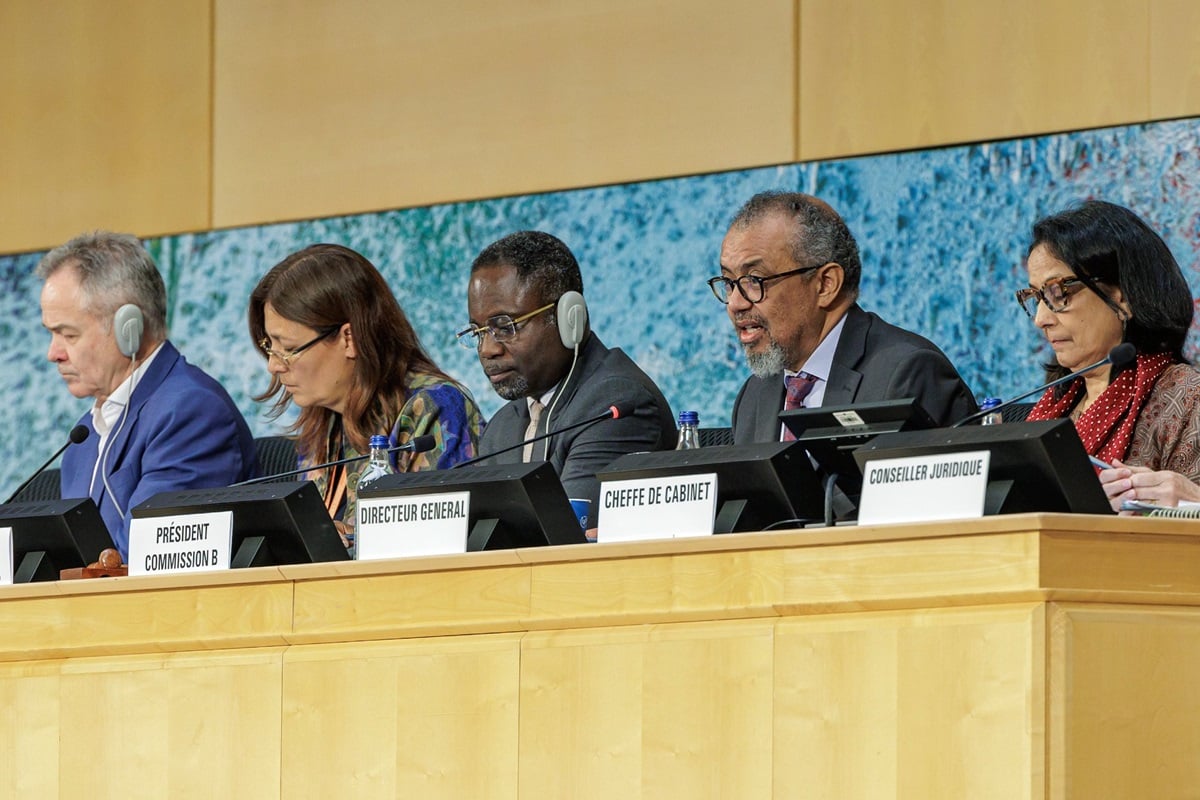
The World Health Assembly concluded its latest session with significant decisions aimed at reforming and strengthening global health initiatives. Member States have committed to leading a new process, hosted by the World Health Organization (WHO) in collaboration with global health partners, to reform the global health architecture. This initiative seeks to enhance access, impact, and equity in health services worldwide.
Reforming Global Health Architecture
The Assembly emphasized the need to update global health structures to keep pace with evolving challenges, such as changing disease patterns, advancements in technology, and shifts in health financing. The proposal highlights the importance of WHO’s role and calls for Member State-led initiatives supported by global partners, including civil society groups and youth organizations.
Resolution on Stroke Prevention and Care
In a landmark move, the Assembly adopted its first resolution on stroke, aimed at reducing its burden through prevention, acute care, rehabilitation, and health system readiness. This comes in response to increasing stroke incidence, with the resolution backed by multiple nations across WHO regions.
Strengthening Pharmacovigilance Systems
The Assembly also passed a resolution to enhance pharmacovigilance systems globally. This action emerges from lessons learned during the COVID-19 pandemic, underscoring the need for robust medicine and vaccine safety monitoring systems. The resolution encourages modernization of national systems and highlights the role of digital technologies in improving safety surveillance.
Global Strategy for Emergency and Critical Care
A new strategy for Integrated Emergency, Critical, and Operative (ECO) Care was approved, aiming to improve access to essential services during public health emergencies. The strategy will guide countries in enhancing health system capacities to manage outbreaks, disasters, and other health risks.
Expanding Diagnostic Imaging Access
Delegates endorsed a resolution to promote teleradiology, particularly in underserved areas. Recognizing its cost-effectiveness, the resolution encourages integrating teleradiology into national health strategies to improve access to diagnostic services.
Advancing Precision Medicine
The Assembly adopted a resolution on precision medicine, focusing on using genomic and molecular data to tailor healthcare. This approach promises to improve treatment outcomes and efficiency but highlights the need to address inequities in access to such technologies.
Health Conditions in Palestinian Territories
The Assembly decided to continue reporting on the health situation in the occupied Palestinian territory, stressing the severe impact on healthcare services in the region. A resolution addressing the public health impact on Gulf Cooperation Council countries and Jordan was also approved.
For any health-related concerns or before making health decisions based on this information, consult a healthcare professional.